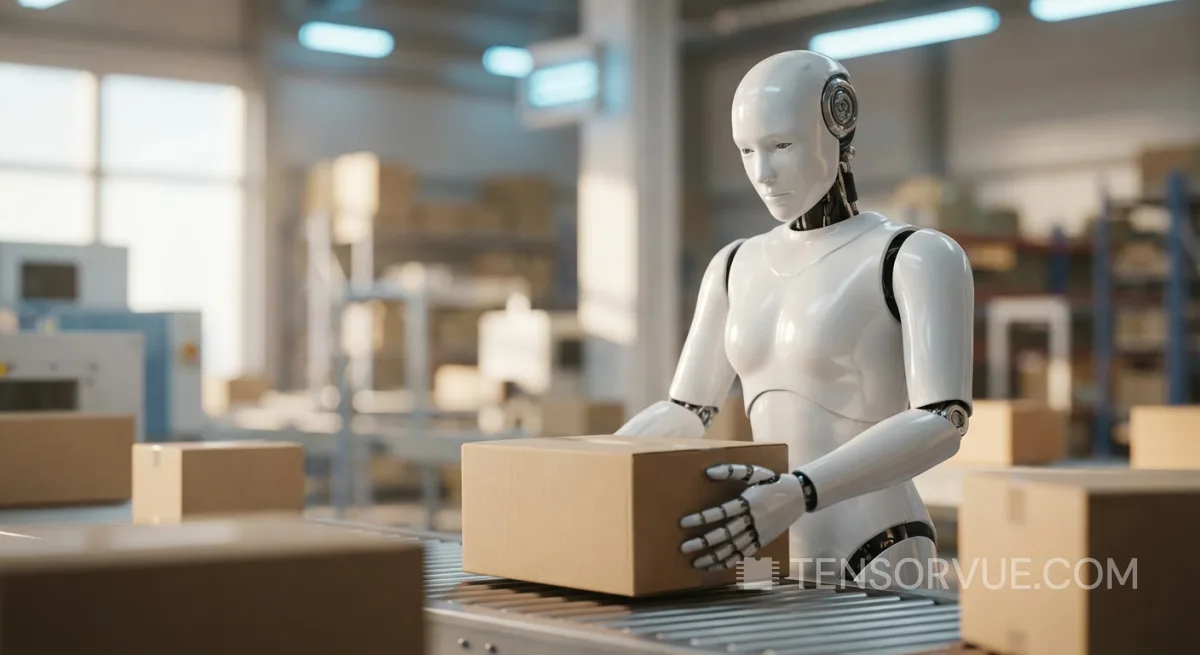
Neura Robotics Raises €1 Billion to Build the Next Generation of Humanoid Workers
German robotics startup Neura Robotics is reportedly raising €1 billion in fresh funding to accelerate development of AI-powered humanoid robots, signaling massive investor confidence in the physical AI market.
Source: TechFundingNews
Key Takeaways
Neura Robotics' €1B raise marks one of the largest European robotics funding rounds. The company aims to deploy humanoid robots in logistics and manufacturing as physical AI transitions from niche to mainstream applications.
Neura Robotics, a German startup specializing in AI-powered humanoid robots, is reportedly raising approximately €1 billion in new funding — one of the largest robotics funding rounds in European history. The raise signals extraordinary investor confidence in the emerging 'physical AI' sector, where intelligence moves from screens and servers into mobile machines that interact with the real world.
Founded in Metzingen, Germany, Neura Robotics has been developing cognitive robots that combine large language model integration with advanced sensor systems and dexterous manipulation. Unlike traditional industrial robots that follow rigid, pre-programmed routines, Neura's humanoid platforms can interpret natural language commands, adapt to unstructured environments, and learn from demonstration.
Physical AI Goes Mainstream
The funding round reflects a broader industry trend: physical AI — where AI systems perceive, decide, and act in the real world — is transitioning from niche research projects to widespread commercial deployment. The convergence of large multimodal models, advanced simulation environments for training, and rapidly falling hardware costs for sensors and actuators has made humanoid robotics economically viable for the first time.
Neura is not alone in this space. Hyundai detailed its AI+Robotics roadmap at CES 2026, integrating generative AI into mobile robots for logistics and personal assistance. Canadian company Mirsee Robotics is testing its MH3 humanoid for industrial environments. Chinese companies have released over 300 types of humanoid robot products, and Japan has announced plans to secure over 30% of the global AI robot market by 2040.
Where the Money Goes
The €1 billion will reportedly fund expansion of Neura's manufacturing capabilities, scaling from prototype units to volume production. Key target markets include logistics (warehouse picking and sorting), manufacturing (assembly line assistance), and healthcare (patient mobility support). If successful, Neura could position Europe as a serious competitor to the US and China in the humanoid robotics race — a market that some analysts project could eventually rival the automotive industry in economic impact.